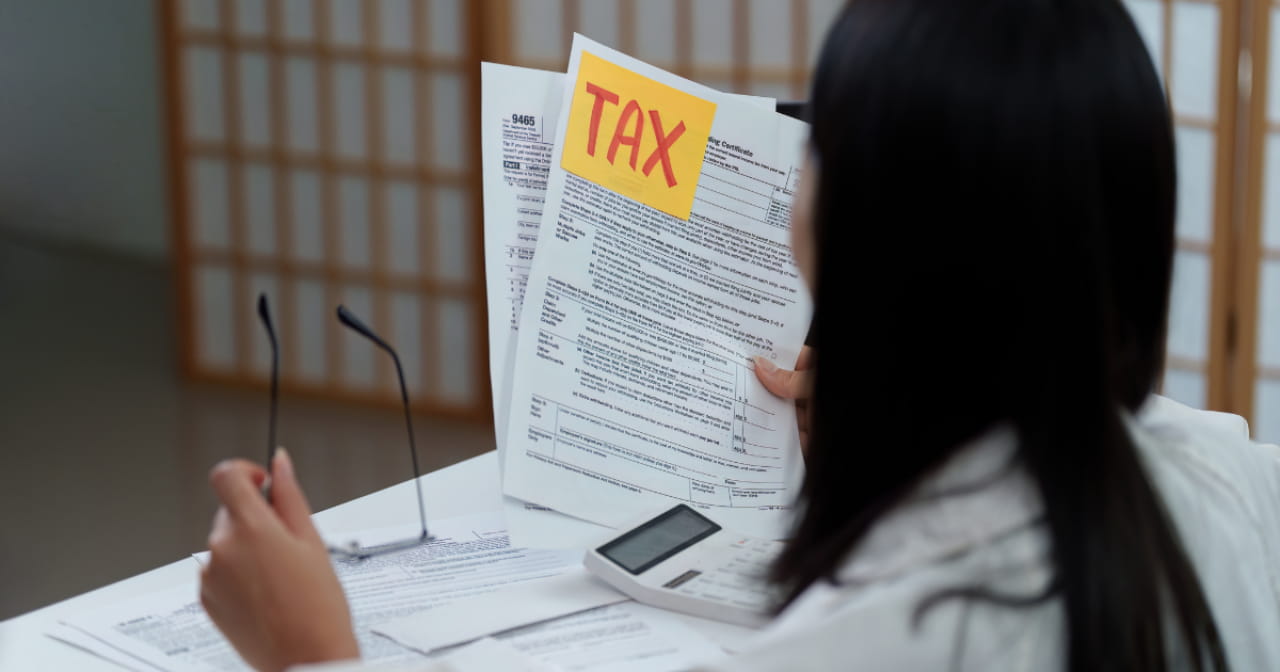
Tax season can feel overwhelming for many business owners, especially when you’re unsure which expenses qualify as deductions. Missing legitimate deductions could mean paying more tax than necessary, while claiming expenses incorrectly can create problems if your records are reviewed later.
Having a reliable small business tax deductions checklist helps you stay organized throughout the year and identify expenses that may reduce your taxable income. The key is maintaining accurate records and understanding which business expenses are generally considered deductible.
Whether you operate a consulting firm, law practice, restaurant, IT company, medical office, or another professional service business, understanding common tax deductions can help you prepare more confidently and avoid last-minute scrambling.
In this guide, we’ll walk through some of the most common tax deductions available to small businesses and explain why proper bookkeeping plays such an important role in maximizing eligible deductions.

Why Tracking Tax Deductions Matters
Many business owners focus on generating revenue but spend far less time tracking deductible expenses throughout the year. Unfortunately, waiting until tax season often means important records are missing or expenses are overlooked.
Maintaining accurate records helps you:
- identify eligible deductions
- reduce taxable income
- improve tax planning
- prepare for tax deadlines
- maintain organized documentation
- avoid unnecessary penalties
Staying current with guidance from the IRS also helps ensure you’re following current tax rules and recordkeeping requirements.
The Importance of Good Bookkeeping Before Tax Season
Before looking at specific deductions, it’s important to understand why bookkeeping matters.
A deduction is only valuable if you have documentation to support it. Missing receipts, uncategorized expenses, and incomplete records can make tax preparation difficult and increase the risk of errors.
Many business owners rely on bookkeeping services to keep records organized throughout the year so tax season becomes much more manageable.
When expenses are properly tracked each month, finding deductible items becomes much easier.
Common Tax Deductible Items for Small Business Owners
While every business is different, several expense categories are commonly deductible for many small businesses.
Below are some of the most frequently claimed tax deductible items for small business owners.
Office Expenses
Office-related expenses are often among the easiest deductions to identify.
Examples include:
- office supplies
- printer ink
- postage
- filing systems
- software subscriptions
- office furniture
Keeping receipts and documenting business use helps support these deductions.
Technology and Software Costs
Most businesses rely on technology to operate efficiently.
Common deductible expenses may include:
- accounting software
- project management tools
- cloud storage subscriptions
- cybersecurity software
- website hosting
- business email services
As technology expenses continue to grow, tracking these costs carefully can add up to meaningful deductions over the course of the year.
Professional Services
Many businesses work with outside professionals to support operations and compliance.
Examples may include:
- legal services
- consulting fees
- payroll support
- bookkeeping support
- tax preparation services
Many business owners use professional accounting services to help ensure financial records remain accurate and tax filings stay organized.
Marketing and Advertising Expenses
Promoting your business is often considered an ordinary business expense.
Examples may include:
- digital advertising
- social media campaigns
- website design
- SEO services
- printed marketing materials
- email marketing software
These expenses can represent a significant portion of a company’s annual marketing budget.
Business Insurance
Insurance premiums related to your business operations are commonly deductible.
Examples include:
- general liability insurance
- professional liability insurance
- cyber liability coverage
- workers’ compensation insurance
- commercial property insurance
Maintaining documentation for premium payments is important for accurate reporting.
Business Travel Expenses
If travel is necessary for business purposes, certain expenses may qualify as deductions.
Examples can include:
- airfare
- lodging
- rental cars
- parking fees
- conference registration fees
Business purpose documentation should always be maintained alongside receipts.
Small Business Tax Deductions Checklist
Use this checklist as a starting point when reviewing your expenses before tax season:
☐ Office supplies and equipment
☐ Software subscriptions and business apps
☐ Business insurance premiums
☐ Marketing and advertising expenses
☐ Professional fees (legal, bookkeeping, consulting)
☐ Business travel expenses
☐ Vehicle mileage and transportation costs
☐ Home office expenses (if eligible)
☐ Employee wages and benefits
☐ Internet and phone expenses used for business
☐ Rent or lease payments for business property
☐ Training, certifications, and professional development
☐ Bank fees and payment processing fees
☐ Equipment purchases and maintenance costs
Remember: Keep receipts, invoices, and supporting documentation for every expense you plan to deduct. Accurate records make tax preparation easier and help support your deductions if questions arise later.
Understanding Your Small Business Tax Write Off List
Many business owners think of deductions as a single list, but deductions often fall into several categories.
A typical small business tax write off list may include:
- operating expenses
- payroll expenses
- occupancy costs
- vehicle expenses
- professional fees
- equipment purchases
- technology expenses
- employee benefits
Organizing expenses into categories throughout the year makes tax preparation significantly easier.
Vehicle and Mileage Deductions
Businesses that use vehicles for work-related purposes may be eligible for deductions.
Common examples include:
- mileage driven for business
- client meetings
- vendor visits
- travel between work locations
Maintaining detailed mileage logs is critical if you’re claiming vehicle-related deductions.
Accurate bookkeeping ensures these expenses are tracked consistently rather than reconstructed months later.
Home Office Deductions
Many small business owners operate partially or entirely from home.
Depending on your situation, certain home office expenses may qualify.
Examples can include:
- a dedicated office space
- a portion of utilities
- internet expenses
- office equipment
Requirements vary, so maintaining accurate documentation is important.
Why Year-Round Tax Planning Works Better Than Last-Minute Preparation
One of the biggest mistakes small business owners make is waiting until tax season to review expenses.
When records are reviewed monthly:
- deductions are easier to identify
- missing documentation can be addressed quickly
- tax estimates become more accurate
- financial reports remain reliable
Businesses that take a proactive approach often experience fewer surprises when tax deadlines arrive.
Many companies also benefit from using business tax preparation services to create a more structured year-round process.
Using Financial Reports to Identify Tax Deductions
Financial reports provide a clear picture of where your money is going.
Reviewing reports regularly can help identify deductible expenses that might otherwise be overlooked.
Useful reports include:
- profit and loss statements
- expense summaries
- vendor reports
- payroll reports
- balance sheets
Some businesses find that a full service accounting approach provides greater visibility into these reports and supports stronger tax planning throughout the year.
Building Better Habits for Tax Readiness
Good bookkeeping habits support more than tax deductions. They also improve cash flow visibility, budgeting, and decision-making.
Helpful habits include:
- storing receipts digitally
- reconciling accounts monthly
- reviewing expenses regularly
- separating personal and business transactions
- maintaining organized records
The more organized your records are throughout the year, the easier tax preparation becomes.
Ready to Get Organized Before Tax Season?
A strong bookkeeping system helps you identify deductible expenses, maintain accurate records, and prepare for tax deadlines with greater confidence.
If you’d like support organizing your records and improving your tax preparation process, you can Book a call to discuss your business needs and create a system that works for you.
Frequently Asked Questions
What is a small business tax deductions checklist?
A small business tax deductions checklist is a list of common deductible expenses that helps business owners track potential write-offs throughout the year and prepare more effectively for tax season.
What are some common tax deductions for small businesses?
Common deductions may include office expenses, software subscriptions, professional services, insurance premiums, marketing expenses, travel costs, and certain vehicle-related expenses.
What everyday bookkeeping habits can help me stay organized for tax season?
Reviewing transactions regularly, storing receipts digitally, and keeping financial records updated throughout the year can make tax preparation much easier. For additional guidance, read Small Business Tax Tips: Proactive Bookkeeping Strategies For Better Planning.
How can I prepare my business records before tax deadlines?
Keeping expenses categorized, reconciling accounts monthly, and reviewing financial reports regularly can help you stay prepared. The Tax Season Tips For Small Businesses: Simple Steps To Stay Ahead guide provides additional steps to help you stay organized.
What bookkeeping systems should new business owners establish first?
New business owners should focus on tracking income, recording expenses consistently, and separating business and personal finances. Bookkeeping For Startups: How To Build A Strong Financial Foundation offers practical guidance for building strong financial systems early.
Why is bookkeeping important for maximizing tax deductions?
Accurate bookkeeping creates the documentation needed to support deductions, helps identify deductible expenses throughout the year, and reduces the risk of missed opportunities when tax season arrives.